
Why Does a Dental Crown or Bridge Fail? – What Makes a Restoration Last?
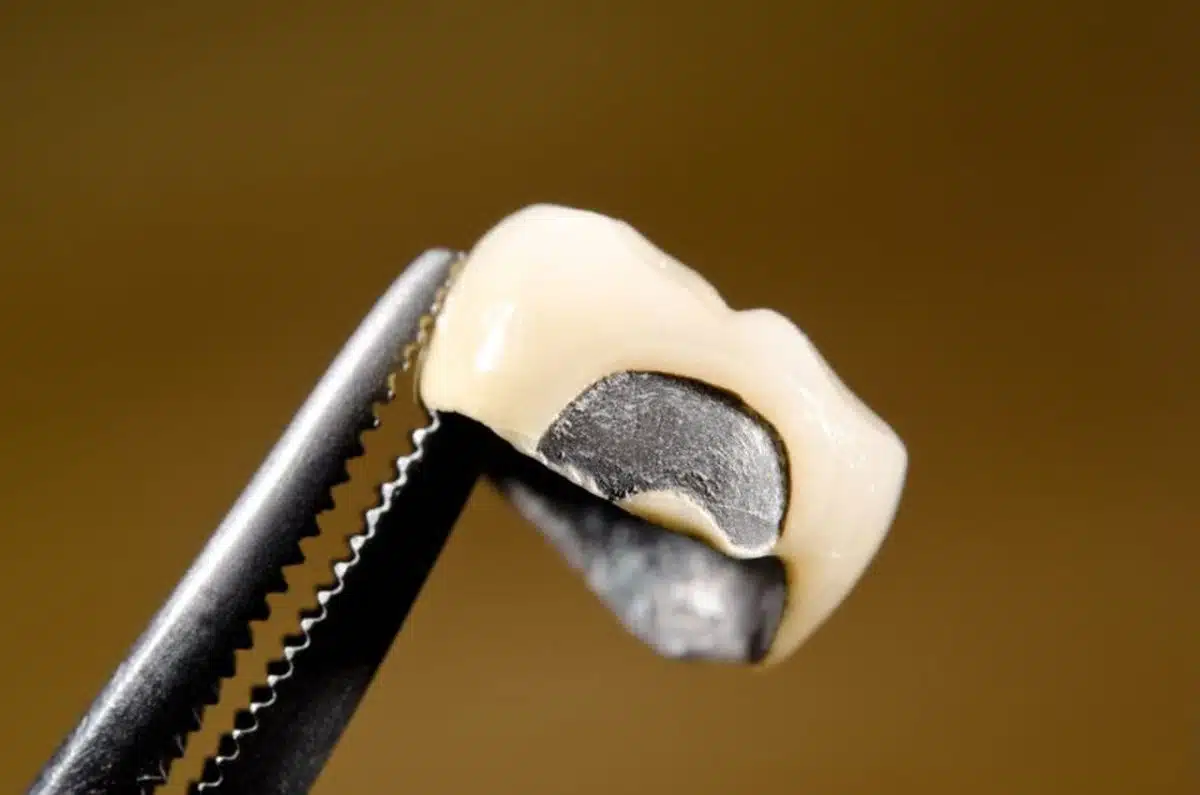
Crowns and bridges are dental restoration solutions designed for the long term. Nevertheless, they can sometimes fail, break, become loose, or cause aesthetic problems. But what’s behind this, and what can we do about it? In this article, we review the causes that can lead to the failure of a dental crown or bridge and provide advice on prevention.
Decay Under the Crown
Many people are surprised to learn that a tooth under a crown can still decay. Plaque that forms along the crown margin, near the gum line, becomes saturated with bacteria over time, and if the seal isn’t perfect, bacteria can penetrate under the crown. This type of secondary decay is often symptom-free and only visible on X-rays.
The solution: regular checkups, precise oral hygiene, and monitoring the crown’s lifecycle.
Loose or Dislodged Crown/Bridge
The dentist secures the crown or bridge to the abutment tooth or implant head with special cement. If the bonding is inadequate, or if the patient’s bite or habits (e.g., nighttime teeth grinding) create extreme stress, the restoration can become loose or, in worse cases, fall off.
Such a situation doesn’t necessarily mean complete failure: often re-cementing the crown is sufficient, but it’s important to act promptly to prevent damage to the abutment tooth.
Fracture or Crack
The material of dental restorations (ceramic, zirconia) is durable but not indestructible. If the restoration is subjected to extreme chewing forces, or if the fit or technical quality was inadequate, cracks or fractures can occur. Especially with front teeth, it can be bothersome if the crown’s porcelain veneer chips off.
The solution in such cases is usually fabricating a new crown.
Nighttime Teeth Grinding (Bruxism)
Many people don’t even realize they grind or clench their teeth at night. This condition can eventually damage both natural teeth and restorations. The increased pressure can cause cracks, loosening, and long-term material fatigue.
A solution can be wearing a nightguard, which distributes the load and protects the restorations.
Aesthetic Changes
Over time, the crown’s color may differ from your natural teeth. This can result from tooth discoloration or gum recession, which can also make the “metal margin” visible.
A solution can be replacing the crown with a more aesthetic, translucent zirconia version, which causes less of this marginal color difference.
Inadequate Oral Hygiene
Even the best-made crown can only last if the patient takes care of it. Daily thorough brushing, using interdental brushes or floss, and annual dental checkups are essential.
A dental restoration is not “maintenance-free” but requires active care.
Dental crowns and bridges can be reliable, long-lasting solutions if the fabrication is precise and the patient takes proper care of them. Decay, bonding issues, material fracture, or bruxism can all affect longevity, but most of these are preventable.
If you attend regular checkups and pay attention to oral care, your restorations can be faithful companions for many years.
We recommend > our current dental restoration offers


